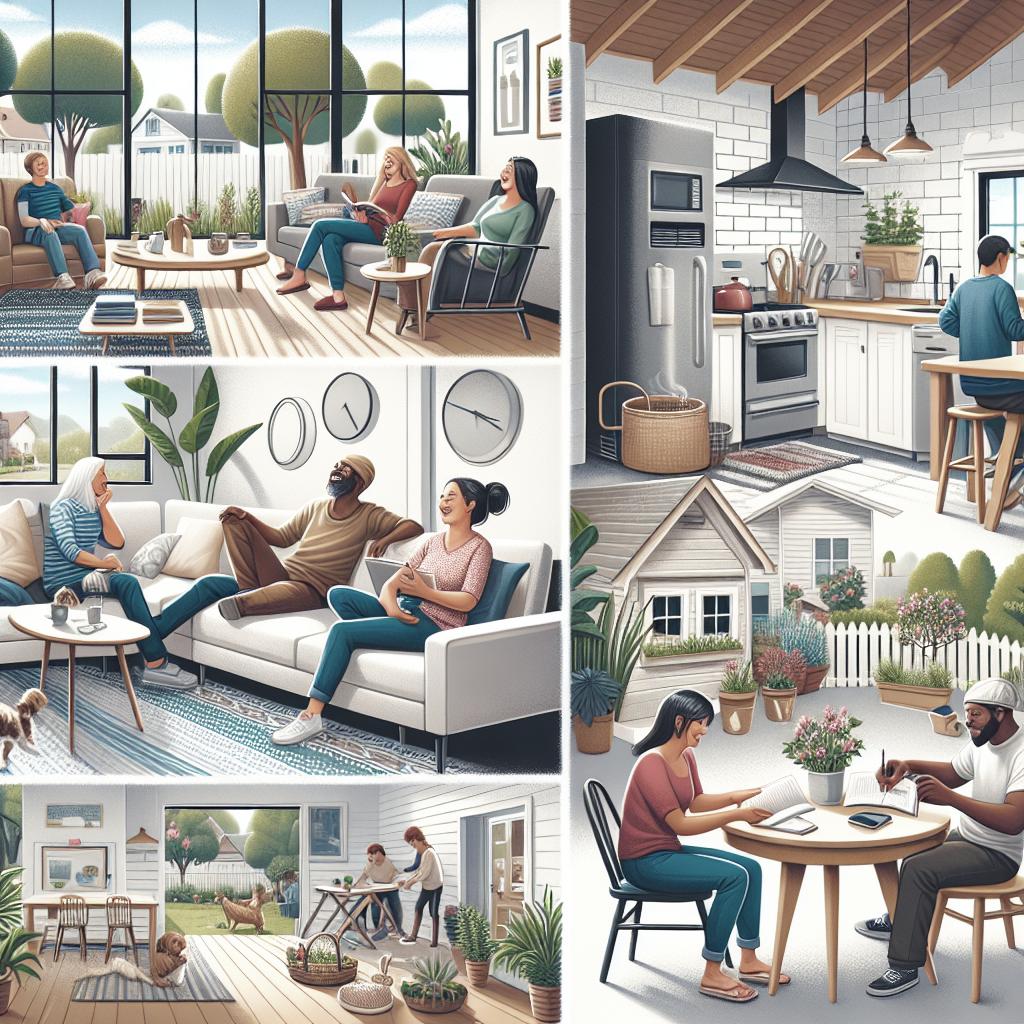
Encouraging Creativity in a Community
Creativity is the lifeblood of thriving communities. It fosters innovation, nurtures growth, and strengthens the bond among community members. However, maintaining a balance between structured activities and spontaneous interactions can be challenging. This article explores the delicate art of encouraging creativity by creating dynamic environments. From embracing pop-up communities to the strategic application of the 90/10 rule, we’ll delve into how to create meaningful, engaging experiences. We’ll discuss strategies for providing lasting value beyond traditional events and highlight the potential of shareable resources to sustain community involvement. By the end of this read, you’ll uncover how less conformity can pave the way for more vibrant, creative communities.
Controlled is Contrived: The Problem with Over-Engineered Community Experiences
Communities often struggle with the impulse to control their environments through over-engineering. While the intention is usually to create a seamless experience, this can often stifle creativity. Rigorous agendas, predetermined topics, and strict timelines can inhibit members’ natural interactions and spontaneous bursts of innovation. When community experiences are overly planned, they leave little room for authentic engagement.
To encourage creativity, it is essential to embrace a certain level of chaos. By allowing members to explore different paths, express diverse opinions, and interact organically, you can cultivate an environment conducive to innovation. Encouraging less controlled experiences can also foster a sense of ownership among community members, thereby increasing their engagement and motivation to contribute further.
Attraction and Connection: Why Pop-Up Communities Rule
Pop-up communities have become an essential tool for fostering creativity due to their transient and dynamic nature. These communities are often centered around a shared interest or goal and exist for a limited time. The temporary nature instills a sense of urgency and excitement, prompting members to engage more actively and creatively.
Furthermore, pop-up experiences are fundamentally about connection. Members rally around short-term projects or events, often leading to deeper relationships rooted in shared accomplishments. The organic connections formed in these settings often outlast the pop-up itself, catalyzing long-term collaboration and innovation. With minimal overhead and flexibility, pop-ups allow for more experimentation and creativity.
Focus on the 90/10 Rule
The 90/10 rule is a strategic approach to fostering creativity that involves directing 90% of the community’s efforts towards validating time-tested practices and reserving 10% for experimentation. By applying this rule, communities can maintain stability while simultaneously encouraging innovative practices.
This ratio ensures that a majority of resources are devoted to successful and sustainable practices, providing a foundation that supports a stable environment. The 10% allocated for creative experimentation offers latitude for testing new ideas, methodologies, or projects that could transform the community in the future. This balance is key for sustainable growth through creativity.
Create Moments, Not Meetings
Meetings are often seen as necessary obligations that can stifle creativity rather than inspire it. Instead of defaulting to traditional meetings, focus on creating “moments” that encourage spontaneity and engagement.
These moments can be informal gatherings, workshops, or collaborative projects that take the pressure off structured agendas and open up avenues for creativity. By prioritizing meaningful interactions over procedural meetings, community members are more likely to contribute innovative ideas and take risks without the fear of formal judgement.
Continued Engagement: Beyond Your Direct Involvement
Sustaining a creative community requires engagement beyond initial introductions or events. Leaders must recognize when to step aside and allow the community to sustain itself. This encourages self-reliance, inspires confidence, and propagates new leadership from within the community.
Continuous engagement can be achieved through regular communication channels, shared challenges, or collaborative projects wherein the members themselves take initiative. By building a culture of involvement rather than dependency on a single leader, communities can foster ongoing creativity and vitality.
Providing Value with Shareable Resources
Resources that are shareable and accessible are critical for a thriving creative community. Toolkits, online forums, and resource libraries can significantly increase the breadth and depth of member engagement.
By providing these resources, you empower members to pursue individual interests and projects that may ultimately contribute back to the community. Shareable resources also amplify creativity by equipping members with the necessary tools to explore, innovate, and share their findings with others, thereby promoting a culture of collaborative growth.
Empowering Your Community Beyond Events
Events often serve as the primary touchpoint for community engagement, but their impact can be fleeting. To sustain creativity, it is crucial to empower the community through channels that extend beyond the events themselves.
Promoting platforms for ongoing interaction, such as social media groups, forums, or collaborative platforms, allows members to continue their creative pursuits. Empowerment occurs when community members feel they have the resources and support to innovate independently, ensuring the vibrancy of the community persists long after the event ends.
Final Words: Less Is More
In the quest to encourage creativity in a community, less often proves to be more. By reducing rigid structures, allowing for fluid interactions, and focusing on meaningful engagements, communities can foster environments that naturally promote innovation and creativity.
Minimalism in planning encourages members’ ownership and flexibility in their engagement. The essence of nurturing creative communities lies in the leaders’ ability to provide direction while affording freedom, thus allowing the dynamics of creativity to unfold organically.
Lessons Learned
| Key Concepts | Insights |
|---|---|
| Over-Engineering | Balancing structured activities with spontaneous interactions encourages genuine engagement and innovation. |
| Pop-Up Communities | Their temporary, dynamic nature encourages creativity and organic connections. |
| 90/10 Rule | A strategy to balance stability with experimentation, promoting sustainable creativity. |
| Create Moments | Focusing on meaningful interactions rather than traditional meetings enhances creative contributions. |
| Continued Engagement | Foster a culture of involvement beyond initial events, ensuring ongoing creativity. |
| Shareable Resources | Providing accessible tools and resources empowers community members to innovate independently. |
| Empowerment Beyond Events | Using platforms beyond events develops sustainable community creativity. |
| Less Is More | Reducing rigid structures and promoting flexibility enhances creative potential. |