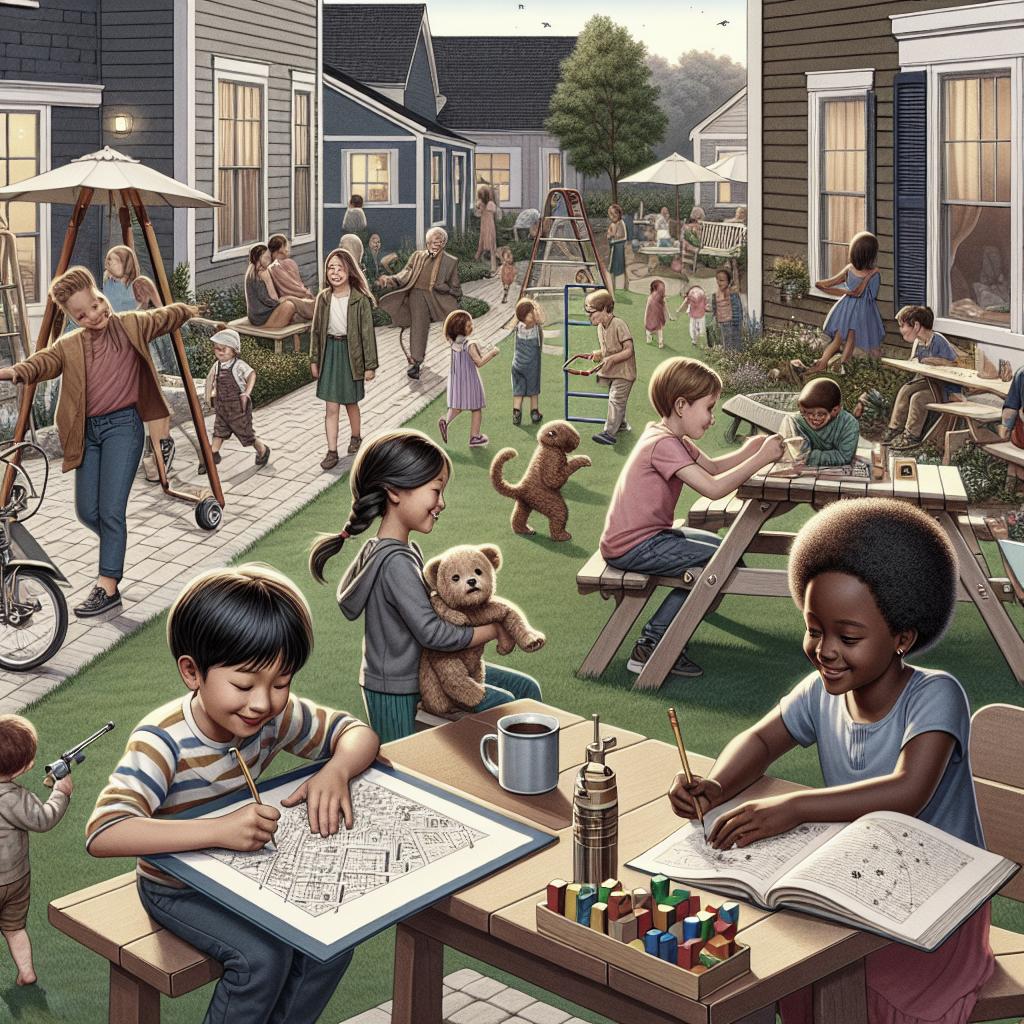
The Impacts of Community Living on Children
Community living has always been an intricate part of human society, influencing how children perceive the world and shape their identities. This blog post delves into the multifaceted impacts community living has on children. We’ll explore the benefits families gain from community membership and the valuable connections it fosters. We’ll discuss how communities can lend a helping hand, examine related topics like occupational therapy, and offer insights into fostering gratitude and managing anxiety. Packed with information and tips, this post serves as a comprehensive guide for understanding how community living molds the younger generation.
What Families Gain from Community Membership
Families who actively engage in community living often find a robust support system that enhances the overall well-being of their children. By being part of a community, children learn essential social skills, gain exposure to diverse perspectives, and develop a sense of belonging.
This environment fosters resilience and adaptability, equipping children with the tools to navigate complex social landscapes. Moreover, communities often serve as an extended family, offering emotional and practical support beyond the immediate household, which contributes to a more stable and nurturing environment for growth.
Additionally, community involvement allows parents to share resources, advice, and experiences, thereby enriching their parenting strategies. Families also benefit from collective activities such as local events, workshops, and clubs that expose children to positive adult role models and peer influences. A tight-knit community provides opportunities for collaborative learning and skill development, fostering a culture of encouragement and mutual growth among children and adults alike.
Creating Connection with Others
At the heart of community living is the ability to build meaningful connections with others. For children, these connections often translate into lasting friendships and a deeper understanding of empathy and cooperation. Participating in neighborhood gatherings, community gardens, or sports leagues helps children learn the value of teamwork, alliance, and communication.
These social interactions play a crucial role in their emotional intelligence and can have long-lasting effects on their interpersonal skills.
Furthermore, these connections offer children an opportunity to observe and participate in civic life, instilling a sense of responsibility and ownership toward their community. Beyond social skills, being involved in community projects can heighten children’s sense of accomplishment and self-esteem, crucial components of personal development. By engaging with their surroundings, children also learn about cultural heritage and the importance of maintaining inclusive and harmonious relationships with diverse groups.
How We Can Help
While community living can offer enriching experiences, it requires conscious efforts from all members to ensure inclusivity and support. Parents, educators, and community leaders can facilitate positive environments by organizing events and activities promoting diversity and mutual respect. Creating platforms for dialogue and feedback can also help address concerns and allow individuals to voice their needs.
Moreover, parents can play a pivotal role by encouraging their children to participate in local events and volunteer opportunities, strengthening their community ties. Schools can introduce programs focusing on community service and collaboration, nurturing a generation that values civic engagement and personal development. It’s essential for communities to recognize and celebrate their diversity, creating spaces where every child feels seen and valued.
Related Content
This section offers insights into related topics that can further amplify the impact of community living on children. From therapeutic approaches to fostering emotional health to practical tips on cultivating gratitude, these subjects explore the holistic development of children within their communities.
Why Would a Child Need Occupational Therapy? Insights from Our Experts.
Occupational therapy can be transformative for children who face developmental challenges that impact their daily lives. Through tailored interventions, occupational therapists aid children in developing essential motor, cognitive, and social skills. Community settings can serve as an engaging backdrop where children practice these skills, enabling them to integrate smoothly into everyday activities.
Furthermore, community resources, such as local clinics or healthcare collaborations, can provide access to these therapies, ensuring that children receive comprehensive support. Parents and community members can play a crucial role by being informed advocates for children’s well-being, fostering a cooperative approach to health and development.
Beyond Thanksgiving: How to Cultivate Gratitude in Our Families
While Thanksgiving is a time to reflect on gratitude, cultivating a grateful mindset year-round can significantly enhance family well-being. Integrating daily practices, such as gratitude journals and appreciation circles, can help families recognize and celebrate small joys and achievements. Community living intensifies these practices by providing a broader network of support and positive interactions.
Parents can model and nurture gratitude by engaging children in community service activities, teaching them the value of giving back and appreciating the efforts of others. These experiences foster a sense of purpose and fulfillment, contributing to children’s overall emotional health and happiness.
Anxiety and the Holidays—Helping Your Child Succeed
The holiday season, while joyous, can also be a source of anxiety for children due to disruptions in routine and increased social obligations. A supportive community can help mitigate these challenges by offering stability and familiar contact points. Routines established within communities, such as holiday events or gatherings, offer predictability and ease transitions for children who may struggle with change.
Parents can collaborate with community members to create inclusive, low-pressure environments where children can decompress and enjoy festivities without feeling overwhelmed. By working together, communities can transform the holiday period into a time of celebration and connection, rather than stress.
Schedule Your Consultation Today
For families seeking more personalized support in integrating community living’s benefits, consultation services offer tailored advice and strategies. These services can provide deeper insights into harnessing community resources and foster a proactive approach to child development.
Scheduling a consultation can be the first step towards a more collaborative, enriched upbringing for your child, building networks that sustain not just individuals but entire communities. Act today to discover the potential your community holds for supporting your family’s unique journey.
Future Prospects
| Subheading | Key Points |
|---|---|
| What Families Gain from Community Membership | Social skills, diverse perspectives, support systems |
| Creating Connection with Others | Lasting friendships, empathy, civic involvement |
| How We Can Help | Organize inclusive activities, promote empathy, support initiatives |
| Related Content | Occupational therapy insights, cultivating gratitude, managing holiday anxiety |
| Schedule Your Consultation Today | Personalized strategies, community resource integration, proactive child development |